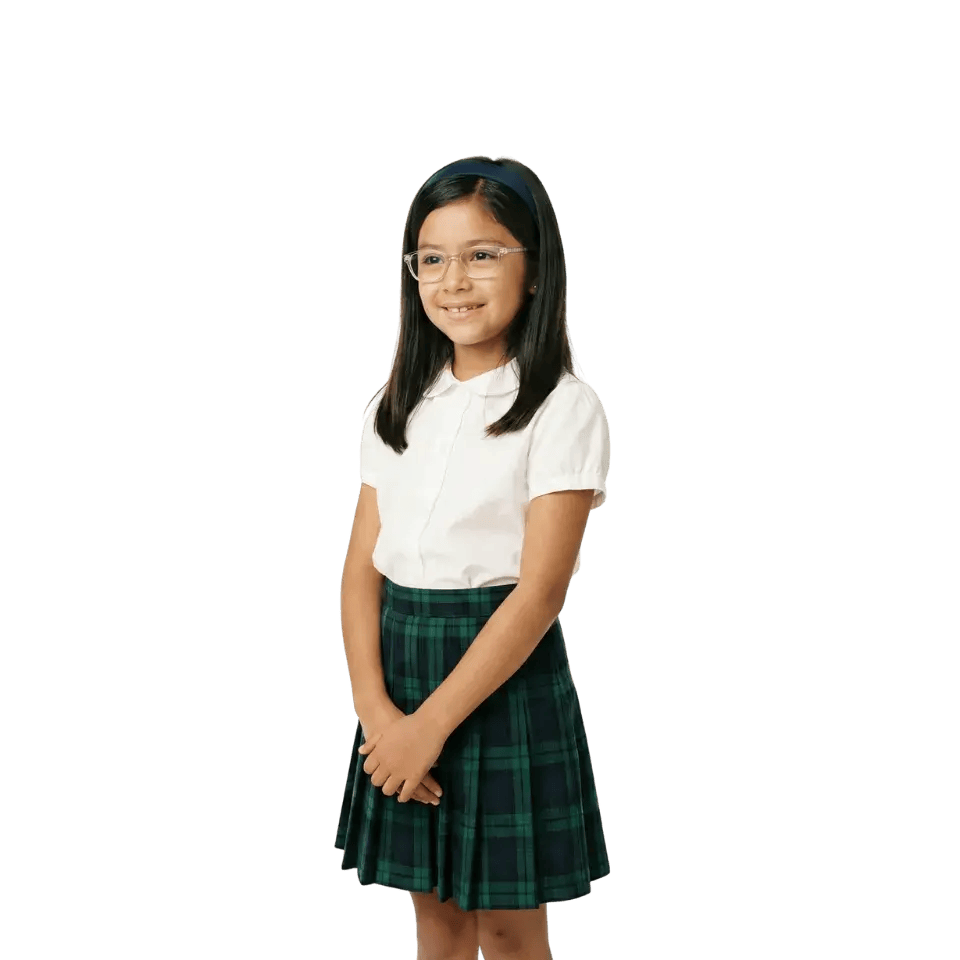
Back-to-School Eye Exams for Children


Why Eye Exams Matter Before the School Year
Vision is involved in nearly everything a child does in school, from reading and writing to copying from the board and participating in sports. When vision is off, children often do not recognize the problem because they have never known anything different, which means the issue can go undetected for months or even years.
A large portion of classroom learning relies on visual skills. Reading comprehension, note-taking, copying from the board, and following along during group activities all require the eyes to work clearly, efficiently, and together as a team. When these skills are compromised, even a bright, motivated child can struggle without anyone understanding why.
Most children with vision problems do not realize their vision is abnormal. Because they have no point of comparison, they assume everyone sees the way they do. Instead of complaining, children tend to avoid tasks that are visually demanding, which can look like inattention, disinterest, or a learning difficulty rather than a vision issue.
Children with uncorrected vision problems often struggle with reading speed and comprehension, test scores, concentration, and classroom participation. These difficulties can be misattributed to attention disorders or learning disabilities when the root cause is actually a vision problem that a comprehensive eye exam could identify and treat.
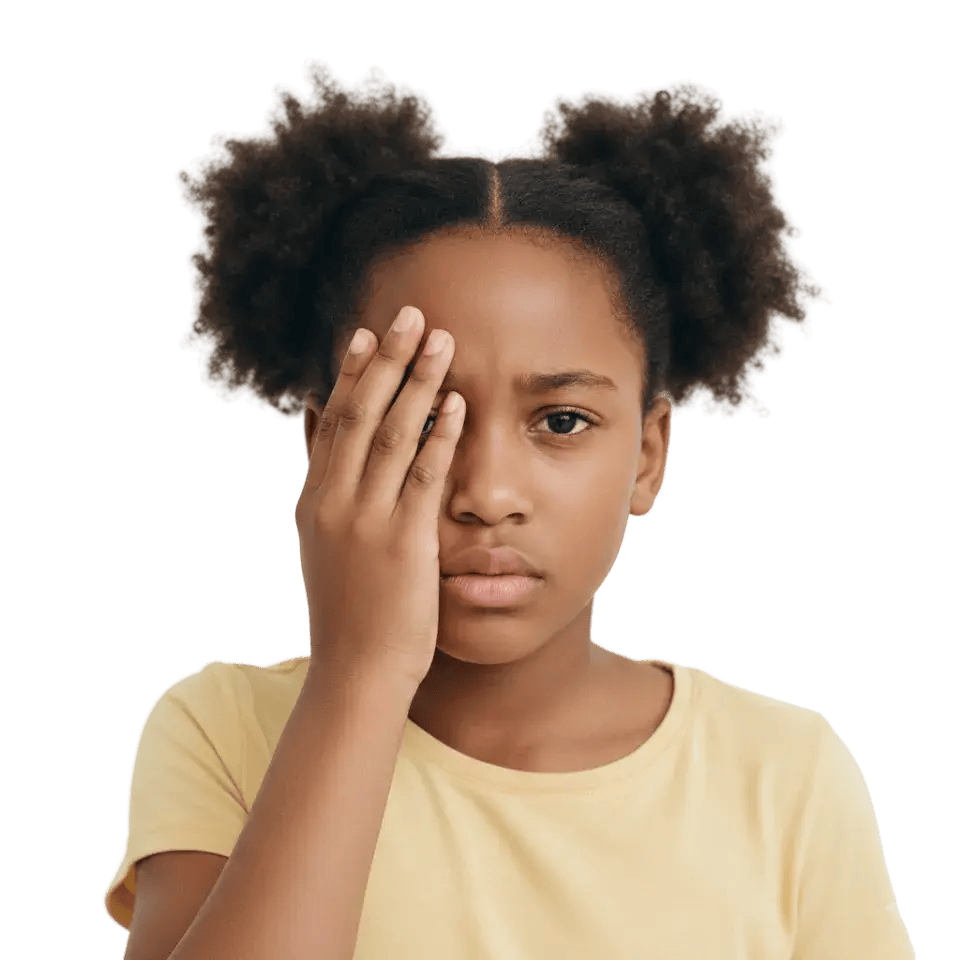
When Should My Child Have an Eye Exam?
Professional guidelines recommend a structured schedule of comprehensive eye exams beginning in infancy and continuing throughout the school years. Our team follows these recommendations and may suggest more frequent visits based on your child's individual needs and risk factors.
Children should have their first comprehensive eye exam between 6 and 12 months of age. A second exam is recommended between ages 3 and 5, followed by an exam before entering first grade. After that, yearly exams throughout the school years, from ages 6 through 18, are advised to monitor vision and catch any changes early.
Some children benefit from earlier or more frequent evaluations than the standard schedule. Risk factors that may warrant extra monitoring include the following.
- Family history of myopia, amblyopia, or strabismus
- Prematurity or low birth weight
- Developmental delays or neurological conditions
- An existing glasses prescription or known vision problem
- Medical conditions that affect the eyes, such as diabetes or Down syndrome
If your child falls into any of these categories, speak with our team about how often exams should be scheduled.
We recommend booking your child's exam several weeks before school begins. This allows enough time for thorough testing, including dilation if needed, and gives your child time to adjust to a new glasses prescription before academic demands increase. Children with known vision issues or any new symptoms should be seen before the school year starts rather than waiting for the first signs of struggle.
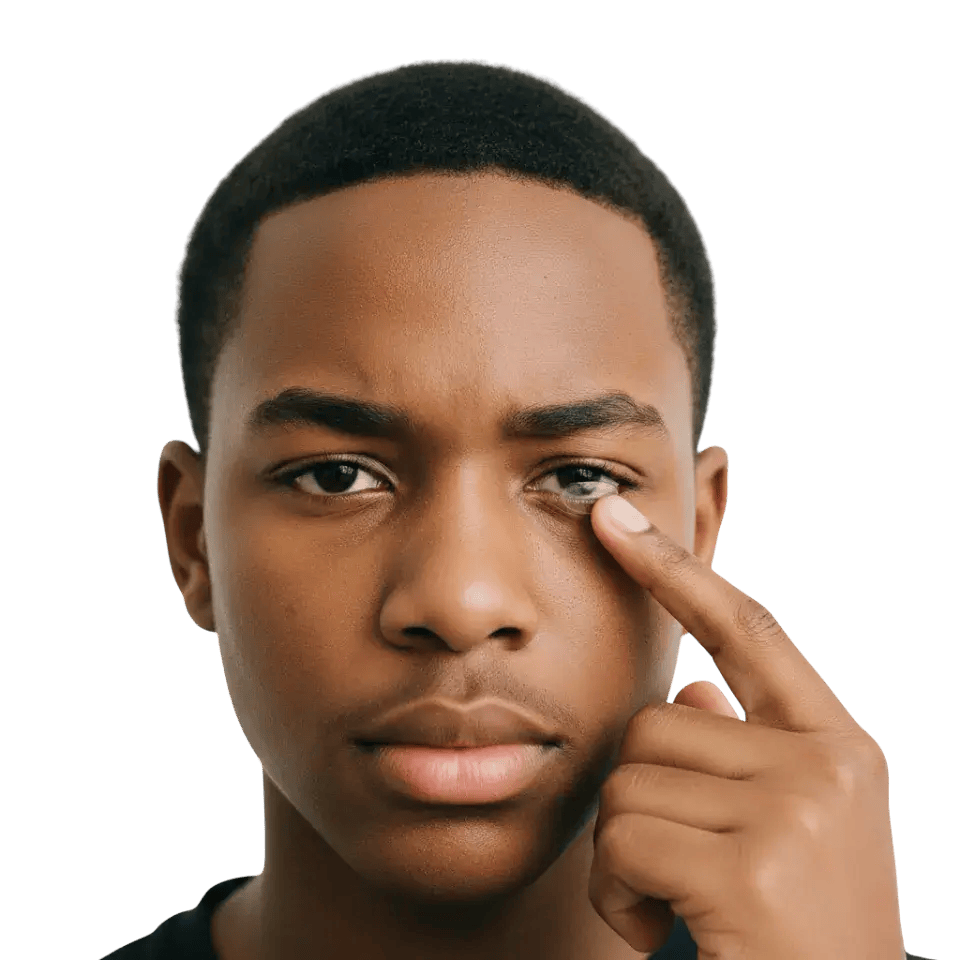
Common Vision Problems in Children
Several types of vision problems are commonly found in school-age children, and many can be effectively managed when identified early. Our team screens for all of these conditions during a comprehensive pediatric eye exam.
Refractive errors occur when the shape of the eye does not bend light correctly, causing blurred vision. The three most common types are myopia, or nearsightedness, which makes distant objects like the classroom board appear blurry; hyperopia, or farsightedness, which makes reading and close work difficult; and astigmatism, which causes blurred or distorted vision at all distances.
Amblyopia, commonly called lazy eye, is reduced vision in one eye that develops during childhood when the eye and brain are not communicating properly. If left untreated during the critical period of visual development, it can lead to permanent vision loss. Early detection and timely treatment significantly improve outcomes, and even children who begin treatment a bit later can still benefit from intervention.
Strabismus is a condition where the eyes do not point in the same direction at the same time. It is sometimes called crossed eyes or an eye turn. Strabismus and amblyopia are closely linked because when one eye points in the wrong direction, the brain may begin to suppress the image from that eye. Early management is important to support healthy binocular vision development and prevent long-term effects.
Convergence insufficiency is a condition where the eyes have difficulty turning inward together when looking at nearby objects, making reading and close work uncomfortable and tiring. Children with this condition may experience eye strain, headaches, blurred or double vision when reading, difficulty concentrating on close tasks, losing their place while reading, and the sensation that words are moving on the page.
Accommodative dysfunction refers to difficulty changing focus between distances, such as switching between the board and a notebook. Children with this condition may experience blurred vision, headaches, and visual fatigue during activities that require frequent refocusing. It is a common but often overlooked reason why school tasks feel exhausting.
Warning Signs to Watch For at Home and at School
Parents and teachers are often the first to notice that something seems off. Recognizing these signs early and scheduling a comprehensive eye exam can prevent months of unnecessary academic and emotional struggle.
Observable physical signs may indicate that a child is working harder than normal to see clearly.
- Frequent eye rubbing or excessive blinking
- Squinting or closing one eye to see better
- Sitting very close to screens or holding books close to the face
- Tilting the head to one side while reading or watching television
- Covering one eye during visual tasks
Vision-related difficulties often look like inattention or behavioral problems rather than a vision issue.
- Losing place while reading or using a finger to track words on the page
- Avoiding reading, writing, or homework assignments
- Short attention span during close-up activities
- Difficulty remembering what was just read
- Poor handwriting or trouble copying accurately from the board
- Reduced participation in class
When children do verbalize discomfort, the complaints often relate to headaches after school or homework, tired or sore eyes, blurred or double vision, or words appearing to swim on the page. That said, many children with vision problems do not say anything at all. The absence of complaints does not mean vision is healthy, which is exactly why regular exams are so important.

What Happens During a Comprehensive Pediatric Eye Exam
A comprehensive pediatric eye exam covers far more than just reading letters on a chart. Our team evaluates visual acuity, eye health, and the functional visual skills your child needs for school, sports, and everyday life.
Every exam begins with a conversation about your child's health history, family eye conditions, school performance, and any specific concerns you or their teachers have noticed. We then assess how clearly your child can see at both near and distance using age-appropriate methods, including letter charts, picture charts, or matching games for children who do not yet know their letters.
Refraction testing determines whether your child needs glasses and, if so, what prescription strength will give them the clearest possible vision. In children, this testing is often done after dilation to relax the focusing muscles and ensure the most accurate measurement. We also evaluate how well both eyes work together, assess eye alignment to detect strabismus or subtle misalignments, and test the eyes' ability to converge for reading and close work.
Our evaluation includes depth perception, color vision screening, peripheral vision assessment, and evaluation of visual processing skills that support reading and learning. A thorough eye health examination reviews the external structures of the eye, the internal health of the eye including the retina and optic nerve, and screens for childhood eye conditions that may not cause any symptoms in their early stages.
Dilating drops are commonly recommended for children because they serve two important purposes. They allow our team to fully examine the retina and optic nerve, and they temporarily relax the strong focusing muscles of the eye so we can obtain the most accurate prescription. This matters especially for detecting farsightedness, which can be masked by a child's active focusing ability. The drops typically take 30 to 60 minutes to work and may cause light sensitivity and blurred near vision for a few hours afterward, so bring sunglasses and plan a relaxed schedule for the rest of that day.
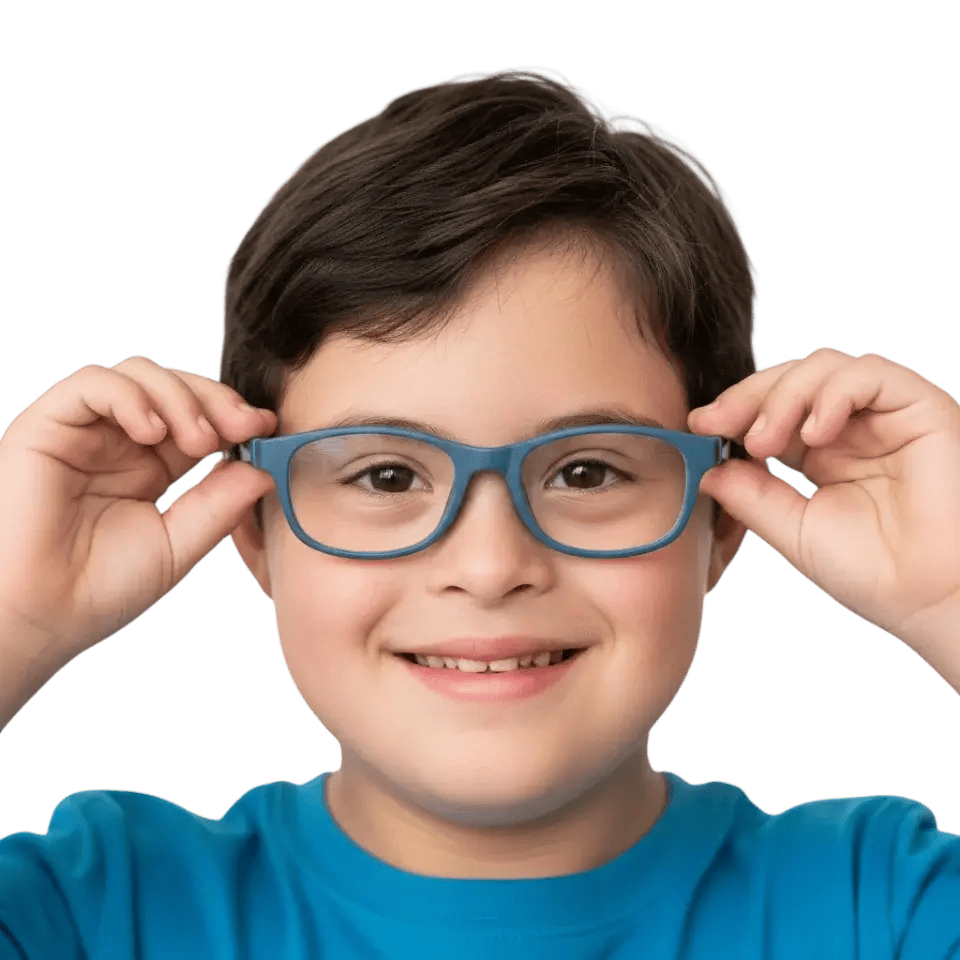
Myopia Management for Children
Myopia, or nearsightedness, is becoming increasingly common in school-age children, and when it progresses rapidly it can raise the risk of eye health problems later in life. We offer proactive strategies to help slow myopia progression, not just correct it.
Standard glasses and contact lenses correct blurry distance vision, but they do not slow the process of myopia worsening over time. Children whose myopia progresses quickly year after year may face a higher lifetime risk of conditions such as retinal complications. Slowing that progression during the childhood years, when the eye is still growing, can make a meaningful difference for long-term eye health.
At Associated Eye Physicians & Surgeons of NJ, our team offers evidence-based myopia management options for children who are candidates. These include MiSight daily contact lenses, which are specifically designed and FDA-approved to slow myopia progression in children, and low-dose atropine eye drops, which have shown effectiveness in reducing the rate at which nearsightedness worsens. Our team will discuss which option or combination of options is most appropriate for your child based on their age, prescription, and progression history.
Research consistently shows that regular time spent outdoors has a protective effect against myopia development and progression in children. We encourage daily outdoor activity as part of a well-rounded approach to myopia management, alongside any clinical treatments your child may be using. This is one of the simplest and most accessible steps families can take to support their child's eye health.

Screen Time and Your Child's Vision
Digital devices have become essential for schoolwork, but extended screen use presents real challenges for developing eyes. Understanding the risks and building healthy habits helps protect your child's vision during the school year and beyond.
Research has linked increased near work, including extended digital device use, with higher rates of myopia progression in children. At the same time, reduced time spent outdoors appears to contribute to the growing prevalence of myopia among school-age children. Managing screen habits and prioritizing outdoor activity are both important pieces of a myopia-aware lifestyle.
Children who spend long periods looking at screens may experience digital eye strain, sometimes called computer vision syndrome. Symptoms include tired or uncomfortable eyes, headaches, blurred vision, dry or irritated eyes from reduced blinking, and difficulty refocusing after looking away from the screen. These symptoms are worth mentioning at your child's exam, as they can signal underlying vision issues or simply reflect the need for better screen habits.
We recommend teaching children the 20-20-20 rule: every 20 minutes of screen use, look at something at least 20 feet away for 20 seconds. Positioning screens at arm's length with the top of the screen slightly below eye level, ensuring good ambient lighting to reduce glare, and limiting recreational screen time according to age-appropriate guidelines all support comfortable, healthy vision. Regular comprehensive eye exams help us monitor any vision changes that may be related to increased near work.

What Happens When a Vision Problem Is Found
When our team identifies a vision problem during your child's exam, several effective treatment options are available depending on the specific condition, your child's age, and how significant the problem is. Earlier treatment generally leads to better outcomes.
Prescription glasses correct nearsightedness, farsightedness, and astigmatism by helping light focus accurately on the retina. Modern pediatric frames are durable and designed to hold up to active lifestyles. Lens options can include UV protection, impact-resistant materials, and blue light filtering when appropriate for your child's daily routine.
Treatment for amblyopia typically involves correcting any underlying refractive error with glasses, and then encouraging the brain to use the weaker eye more effectively. This is often done through occlusion therapy, which uses a patch over the stronger eye for a prescribed period each day, or atropine drops placed in the stronger eye to temporarily blur its vision and encourage the amblyopic eye to work harder. The earlier treatment begins, the better the outcomes tend to be, though treatment can still be beneficial when started somewhat later in childhood.
Depending on the type and severity of the misalignment, strabismus may be managed with glasses, prism lenses, or in some cases surgical correction of the eye muscles. Our team will discuss the options most appropriate for your child and refer to or coordinate with a pediatric ophthalmologist when specialized care is needed.
Preparing Your Child for Their Appointment
A little preparation goes a long way in helping your child feel comfortable and ensuring the exam produces accurate results. Most children find eye exams straightforward and completely painless.
Talk with your child in advance using simple, reassuring language. Let them know the exam will not hurt and that the goal is to help them see their best. Bring any current glasses, previous prescriptions, school vision screening results, and notes from teachers or caregivers about any specific concerns. Having this information available helps our team tailor the exam to your child's needs.
Sharing your child's medical history, family history of eye conditions such as myopia or lazy eye, current medications or allergies, and any specific observations about reading difficulties or school performance gives our team the full picture they need to provide the most thorough care possible.
If dilation is recommended, plan for your child to experience temporary light sensitivity and slightly blurred near vision for a few hours after the appointment. Packing a pair of sunglasses for the drive home and keeping the rest of that afternoon relaxed will make the experience easier for your child.
After the exam, our team will walk you through the findings in clear, straightforward terms. We will explain whether glasses or other treatment is recommended, answer your questions about vision and school readiness, and establish a follow-up schedule to keep a close eye on your child's visual development over time.
School Screenings and Comprehensive Exams: Understanding the Difference
School vision screenings serve a useful purpose, but they are not a substitute for a comprehensive eye examination. Knowing what each one can and cannot tell you helps ensure your child receives complete vision care throughout their school years.
School screenings are brief tests, usually administered by a nurse or trained volunteer, that check basic distance visual acuity by having a child read a letter chart. They are designed to identify children who may need further evaluation, not to provide a complete picture of visual health. They do not assess eye health, focusing ability, eye teaming, depth perception, or the functional visual skills needed for reading and close work.
Because screenings focus primarily on distance vision, they can miss farsightedness, convergence insufficiency and other eye teaming problems, focusing or accommodative disorders, early signs of eye disease, and tracking difficulties that interfere with reading. A child can pass a school screening and still have a significant vision problem that is affecting their academic performance and daily comfort.
A comprehensive eye examination evaluates visual acuity at all distances, how the eyes work together, the internal health of the eye, and any conditions that require treatment or monitoring. For children who do not pass a school screening, a comprehensive exam is the necessary next step. For all other children, comprehensive exams on the recommended schedule are the only reliable way to protect their vision and catch problems before they interfere with learning.
Frequently Asked Questions
These are some of the questions parents most often bring to us about their child's vision and eye health. If you have a question not covered here, our team is always happy to talk it through at your child's appointment.
Passing a school screening means your child could read a distance chart on that particular day, nothing more. Screenings do not check for farsightedness, convergence insufficiency, focusing problems, or early eye disease, all of which can significantly affect school performance. Comprehensive eye exams are recommended on a regular schedule for all children regardless of screening results, so passing a screening should not be taken as a reason to skip the exam.
Children do not need to know their letters to have a thorough eye exam. Our team uses picture charts, matching games, and instrument-based testing designed for young or preverbal children. Even infants can be examined for certain critical conditions. A child's cooperation level generally improves with each visit as they become familiar with the process, and our team is experienced at working patiently with children of all ages and temperaments.
Yes, and this is an important distinction that is worth exploring before other diagnoses are pursued. Conditions like convergence insufficiency can cause a child to appear restless during reading, lose focus quickly on close tasks, and avoid homework, all symptoms that are frequently associated with attention disorders. Ruling out vision issues with a comprehensive exam is a logical and low-risk first step when a child is showing signs of inattention or learning difficulty.
No. This is a common concern but it is not supported by evidence. Glasses correct the way light focuses on the retina and do not change the underlying structure of the eye. If a child's prescription changes over time, that reflects the natural growth and development of the eye, not any effect of wearing glasses. Going without prescribed glasses, on the other hand, can cause unnecessary eye strain and, in children with certain conditions, interfere with healthy visual development.
Involving your child in choosing their frames can make a real difference because children are more likely to wear something they feel good about. It also helps to connect wearing glasses to things your child actually cares about, such as being able to see their friends clearly, follow a sports game, or read without getting headaches, rather than explaining it in abstract health terms. Starting with wearing glasses during activities your child enjoys can help build the habit, and positive reinforcement works better than pressure.
Myopia management refers to clinical strategies designed to slow the rate at which a child's nearsightedness worsens year over year, not just to correct current blurry vision. It is worth discussing if your child's prescription is increasing noticeably from one exam to the next or if they have risk factors such as a strong family history of myopia. During your child's exam, our team can review their prescription history, assess their progression pattern, and talk through whether MiSight lenses or low-dose atropine drops may be appropriate options to consider.
Schedule Your Child's Back-to-School Eye Exam
Clear, comfortable vision is the foundation for a confident, successful school year, and our team at Associated Eye Physicians & Surgeons of New Jersey is here to support your child every step of the way. Dr. Javeed and our pediatric eye care team at our Belleville office provide thorough, compassionate evaluations for children of all ages. We welcome families from across New Jersey and look forward to helping your child see their very best before the school year begins.

My experience was great the staff was amazing
Norbert Donnell
The staff and physicians are very helpful and professional.
John M. Kalinowski
Dr.Khan is my doctor. He is awesome. Checks my eyes on yearly bases & does my BOTOX injections in office 😎 hands down won’t regret him
Mimi Duran
Doc Hosler is the best! Dr. Kahn also on the list. Lucky to have them locally.
Patti DeSena
It was easy to make an appointment and there was minimal wait time within the office.
Debra Kradjian Stephans